Oscar-winning films in the public domain
The Academy Awards have honoured some of the greatest films in cinematic history and many Oscar-winners reside in the public domain.
These films remain culturally significant and continue to be rediscovered by modern audiences, showcasing the rich legacy of early Hollywood.
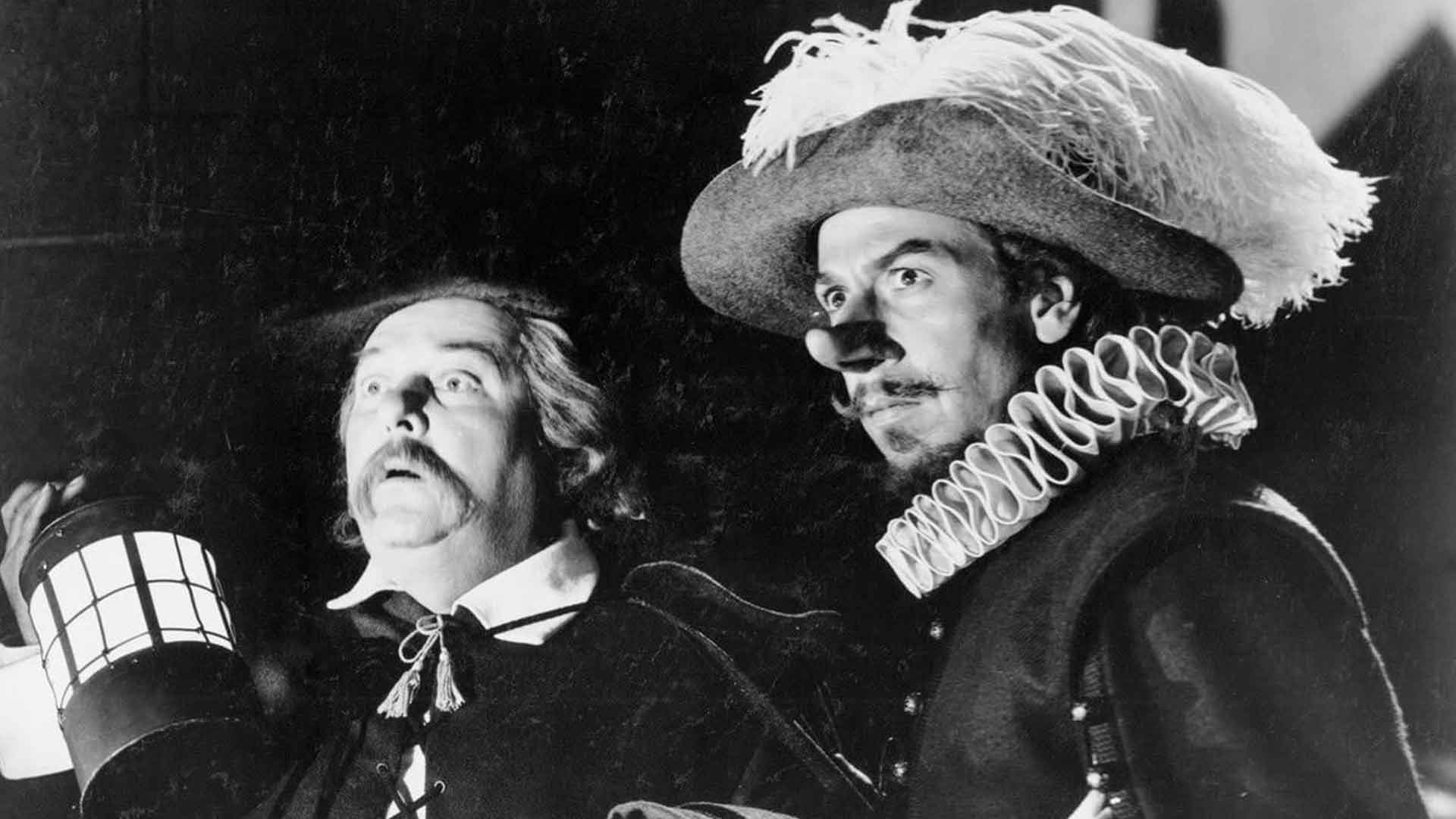
Cyrano de Bergerac (1950) earned José Ferrer (pictured) an Oscar for his iconic portrayal of the eloquent yet self-conscious swordsman.
Blood on the Sun (1945), starring James Cagney, won an Academy Award for its striking art direction in a gripping tale of pre-WWII espionage.
The House I Live In (1945), starring Frank Sinatra, was an Academy Award-winning short promoting tolerance and unity during WWII.
The Fighting Lady (1944) is an Oscar-winning documentary offering a rare and vivid look at life aboard a wartime U.S. aircraft carrier.
This Is the Army (1943) is a wartime musical that follows an all-soldier revue being staged to boost morale and raise funds as performers and it won the Oscar for Music (Scoring of a Musical Picture).
Prelude to War (1942) was designed to educate American soldiers and the public about the Axis threat, winning an Academy Award for Best Documentary.
A Star is Born (1937), the first of several adaptations, was a Technicolor drama about the rise and fall of Hollywood dreams. It won an Oscar for Best Original Story.
A Farewell to Arms (1932), based on Ernest Hemingway’s novel, won two Oscars (Best Cinematography and Best Art Direction) for its powerful depiction of love and war.
Cimarron (1931) follows a crusading Oklahoma newspaperman whose ambition and ideals collide with frontier boomtown life, and it won three Oscars including Best Picture (plus Best Adapted Screenplay and Best Art Direction).
Min and Bill (1930) follows a tough waterfront innkeeper who’ll do anything to protect the young woman she’s raised from a dangerous past, and it won Marie Dressler the Oscar for Best Actress.
The Dawn Patrol (1930) follows a battle-worn World War I fighter squadron commander pushed to the brink as he orders young pilots into near-certain death, and it won the Oscar for Writing (Original Story) for John Monk Saunders.
All Quiet on the Western Front (1930) is about young German soldiers who are swept from classroom patriotism into the mud-and-terror of trench warfare on the Western Front, and it won two Oscars: Outstanding Production (Best Picture) and Best Director.
With Byrd at the South Pole (1930) is a part-talkie documentary following Admiral Richard E. Byrd’s pioneering Antarctic expedition as he pushes toward the South Pole, and it won the Oscar for Best Cinematography.
King of Jazz (1930) is a lavish two-colour Technicolor musical revue that spotlights Paul Whiteman and his orchestra through a run of spectacular comic and dance set-pieces, and it won the Oscar for Best Art Direction.
The Divorcee (1930) tells of a betrayed wife who turns the tables on her unfaithful husband by claiming the same freedoms, and Norma Shearer won the Oscar for Best Actress.
The Big House (1930) throws a first-time convict into a tense, brutal prison world where pressure-cooker rivalries and a breakout spiral toward violence, and it won two Oscars: Best Writing (Adaptation) and Best Sound Recording.
Disraeli (1929) is an historical drama starring George Arliss as British Prime Minister Benjamin Disraeli, a performance that earned him the Academy Award for Best Actor.
The Broadway Melody (1929) was the first musical to win Best Picture, setting the stage for Hollywood’s love affair with song-and-dance films.
Coquette (1929) is a romantic drama starring Mary Pickford as a Southern belle whose love affair leads to tragedy, earning her an Academy Award for Best Actress.
In Old Arizona (1928) made history as the first all-talking Western and earned Warner Baxter the Best Actor Oscar for his portrayal of the Cisco Kid.
The Jazz Singer (1927) revolutionised cinema as the first feature-length “talkie,” marking the beginning of synchronized sound in film and won an Academy Honorary Award.
The silent film winners
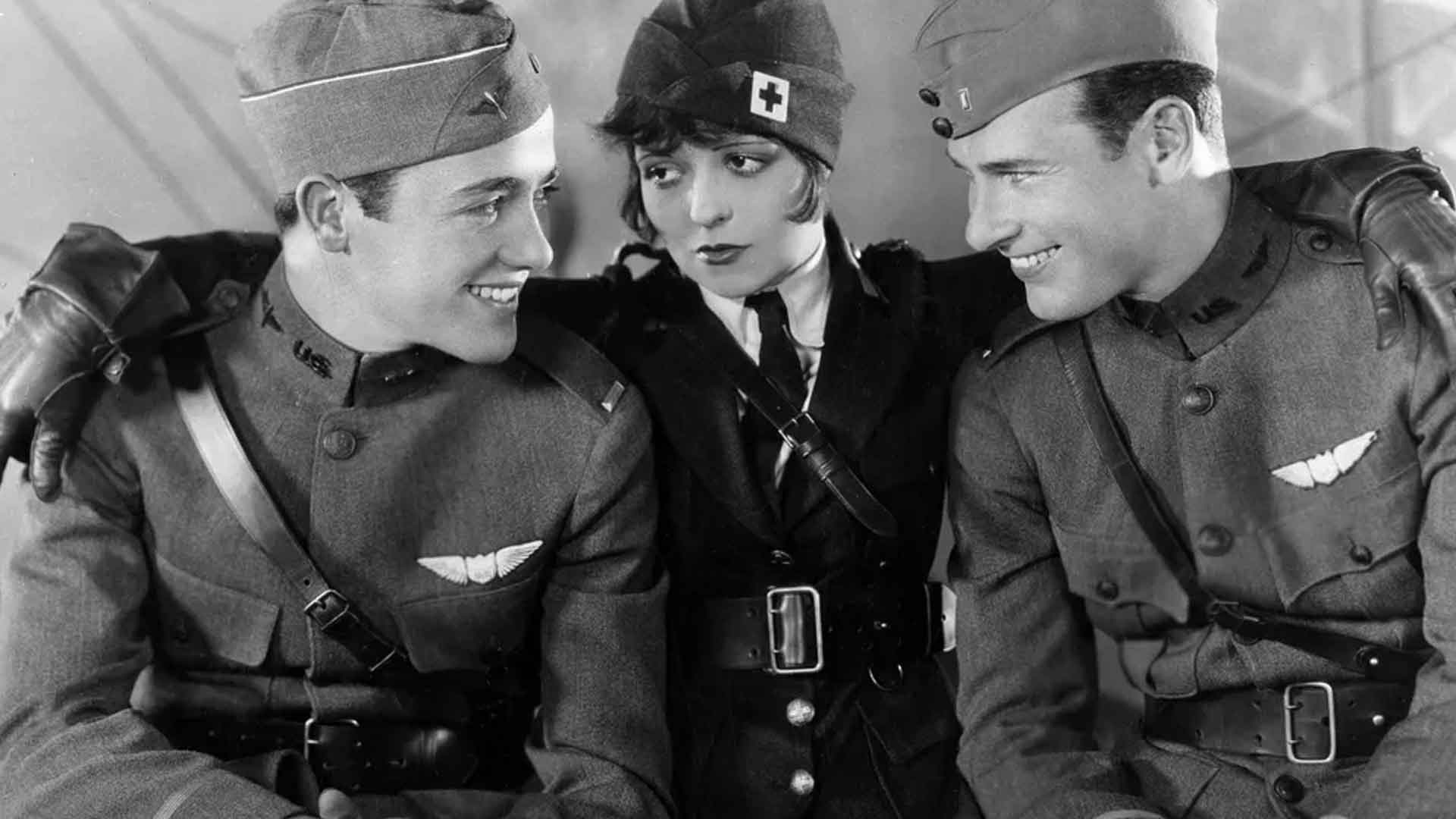
Wings (1927), the first-ever Best Picture winner, stunned audiences with its breath-taking aerial dogfight sequences, winning a second Oscar for Best Effects.
7th Heaven (1927) is a romantic silent film that won three Academy Awards, including Best Director (Dramatic Picture) for Frank Borzage, Best Actress for Janet Gaynor, and Best Adapted Screenplay at the 1st Academy Awards.
Sunrise: A Song of Two Humans (1927) is a visually stunning silent film telling the story of a troubled marriage. It won three Oscars: Best Unique and Artistic Picture; Best Cinematography and Janet Gaynor won Best Actress in a Leading Role (for her work on this film, 7th Heaven, and Street Angel).
The Divine Lady (1929) is an historical romance about Emma Hamilton’s love affair with Admiral Nelson, winning Frank Lloyd the Academy Award for Best Director, despite not being nominated for Best Picture.
The Bridge of San Luis Rey (1929) – A fatal bridge collapse in 18th-century Peru prompts a monk to investigate the five victims’ lives in search of meaning, and it won the Oscar for Best Art Direction.
The Patriot (1929) – A court intrigue drama set in Imperial Russia follows Count Pahlen as he plots to depose the unstable Tsar Paul I before the conspiracy turns deadly, and it won the Oscar for Best Writing.
White Shadows in the South Seas (1928) is an adventure drama renowned, which won an Academy Award for Best Cinematography.
Street Angel (1928) is a silent romantic drama directed by Frank Borzage, following a destitute woman’s journey through love and hardship in Naples, and it won a shared Academy Award for Best Actress (Janet Gaynor).
The Last Command (1928) is a silent historical drama featuring Emil Jannings as a fallen Russian general, a role that won him the first Academy Award for Best Actor at the inaugural Oscars.
Tempest (1928) is a silent drama where a peasant becomes a lieutenant in Czarist Russia, and it notably won William Cameron Menzies the first Academy Award for Best Art Direction.
The Way of All Flesh (1927) is a silent drama about a devoted father whose life unravels after a tragic encounter leads him down a path of ruin, earning Emil Jannings the first-ever for Best Actor award (shared with The Last Command).
Underworld (1927) is a groundbreaking gangster film directed by Josef von Sternberg, winning the first Academy Award for Best Original Story.
Two Arabian Knights (1927) is a comedic adventure film about two US soldiers who escape a German prison camp during World War I and embark on a series of misadventures in the Middle East, winning the first and only Academy Award for Best Director of a Comedy Picture (Lewis Milestone).
The Dove (1927) – A ruthless despot becomes obsessed with a dancing girl and, after she spurns him, frames her lover for murder to force her hand — and its sumptuous sets won the Oscar for Best Art Direction.